



AT2 Receptor
References:
- [1]. Abadir PM, et al. Angiotensin AT2 receptors directly stimulate renal nitric oxide in bradykinin B2-receptor-null mice. Hypertension. 2003 Oct;42(4):600-4. [Content Brief]
- [2]. Tsutsumi Y, et al. Angiotensin II type 2 receptor overexpression activates the vascular kinin system and causes vasodilation. J Clin Invest. 1999 Oct;104(7):925-35. [Content Brief]
- [3]. Wang G, et al. Angiotensin II type 2 receptor-coupled nitric oxide production modulates free radical availability and voltage-gated Ca2+ currents in NTS neurons. Am J Physiol Regul Integr Comp Physiol. 2012 May;302(9):R1076-83. [Content Brief]
-
AT2 Receptor Related Products (30)
Related Products (30)

- 1
- 2
-
Angiotensin II human
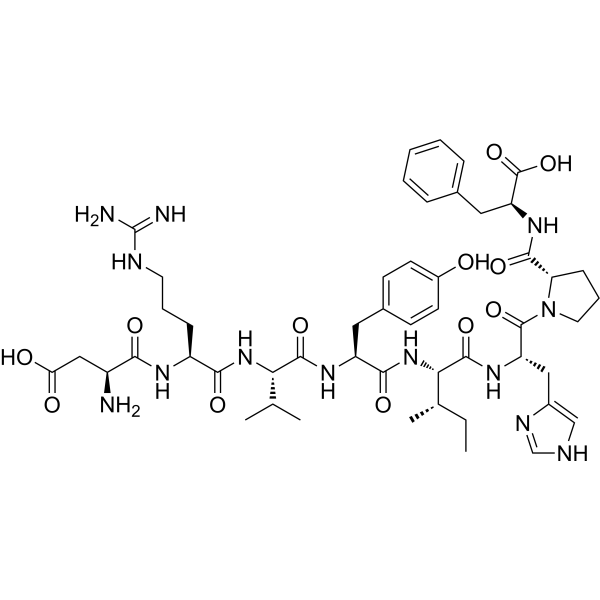 0 ImagesAngiotensin II (Angiotensin II) is a vasoconstrictor and a major bioactive peptide of the renin/angiotensin system. Angiotensin II human plays a central role in regulating human blood pressure, which is mainly mediated by interactions between Angiotensin II and the G-protein-coupled receptors (GPCRs) Angiotensin II type 1 receptor (AT1R) and Angiotensin II type 2 receptor (AT2R). Angiotensin II human stimulates sympathetic nervous stimulation, increases aldosterone biosynthesis and renal actions. Angiotensin II human induces growth of vascular smooth muscle cells, increases collagen type I and III synthesis in fibroblasts, leading to thickening of the vascular wall and myocardium, and fibrosis. Angiotensin II human also induces apoptosis. Angiotensin II induces capillary formation from endothelial cells via the LOX-1 dependent redox-sensitive pathway.
-
Angiotensin II human acetate
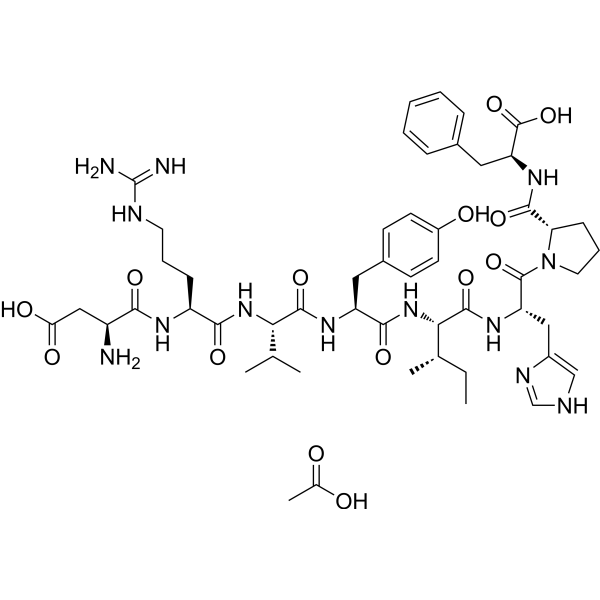 0 ImagesSynonyms: Angiotensin II acetate; Ang II acetate; DRVYIHPF acetateAngiotensin II human (Angiotensin II) acetate is a vasoconstrictor and a major bioactive peptide of the renin/angiotensin system. Angiotensin II human acetate plays a central role in regulating human blood pressure, which is mainly mediated by interactions between Angiotensin II and the G-protein-coupled receptors (GPCRs) Angiotensin II type 1 receptor (AT1R) and Angiotensin II type 2 receptor (AT2R). Angiotensin II human acetate stimulates sympathetic nervous stimulation, increases aldosterone biosynthesis and renal actions. Angiotensin II human acetate induces growth of vascular smooth muscle cells, increases collagen type I and III synthesis in fibroblasts, leading to thickening of the vascular wall and myocardium, and fibrosis. Angiotensin II human acetate also induces apoptosis. Angiotensin II human acetate induces capillary formation from endothelial cells via the LOX-1 dependent redox-sensitive pathway.
-
Buloxibutid
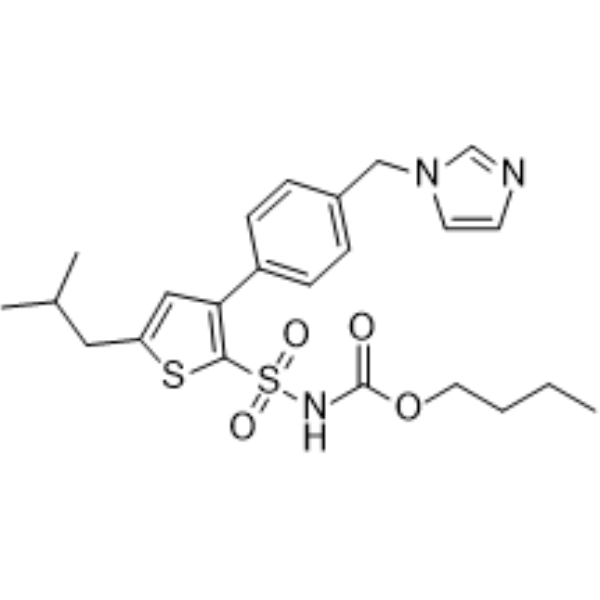 0 ImagesSynonyms: AT2 receptor agonist C21Buloxibutid (AT2 receptor agonist C21) is an orally active, selective angiotensin II type 2 receptor (AT2R) agonist, with a Ki value of 0.4 nM for porcine AT2R. Buloxibutid exerts effects such as vasodilation, anti-inflammation, anti-fibrosis (promoting the expression of collagenase MMP-13) and tissue repair mainly by activating the NO/cGMP pathway, inhibiting the pro-proliferative MAPK signaling, and suppressing the pro-fibrotic TGF-β/Smad pathway as well as the inflammatory NF-κB pathway. Buloxibutid can be used in research related to idiopathic pulmonary fibrosis, hypertension, and systemic sclerosis.
-
A 779
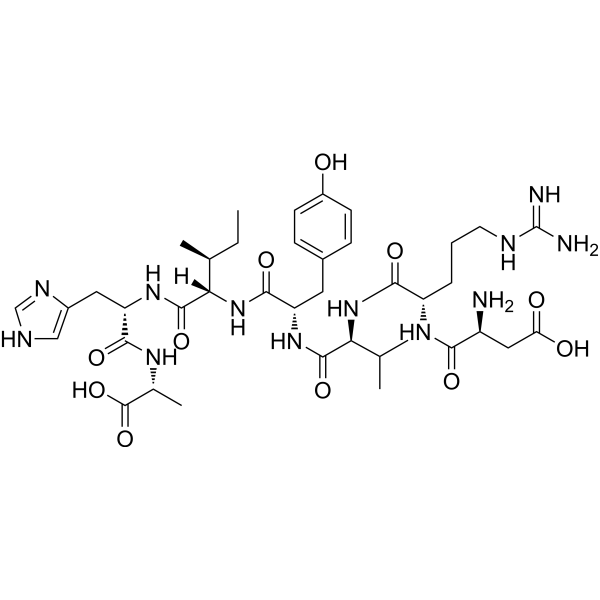 0 ImagesA 779 is a specific antagonist of G-protein coupled receptor (Mas receptor), which is an Ang1-7 receptor distinct from the classical AngII.
-
PD 123319 ditrifluoroacetate
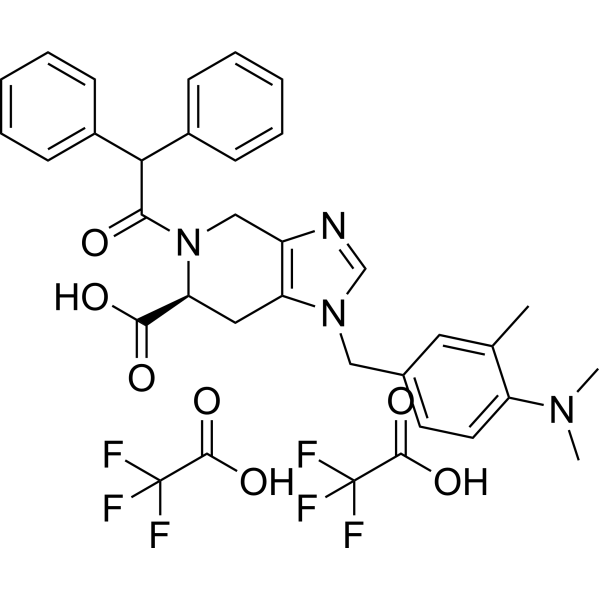 0 ImagesPD 123319 (ditrifluoroacetate) is a potent, selective AT2 angiotensin II receptor antagonist with IC50 of 34 nM.
-
Buloxibutid hydrochloride
 0 ImagesCat. No.: HY-100113ACAS No.: 1947313-60-1Synonyms: AT2 receptor agonist C21 hydrochlorideBuloxibutid (AT2 receptor agonist C21) hydrochloride is an orally active, selective angiotensin II type 2 receptor (AT2R) agonist, with a Ki value of 0.4 nM for porcine AT2R. Buloxibutid hydrochloride exerts vasodilatory, anti-inflammatory, antifibrotic (promoting the expression of collagenase MMP-13) and tissue repair effects mainly by activating the NO/cGMP pathway, inhibiting the pro-proliferative MAPK signaling, and suppressing the pro-fibrotic TGF-β/Smad pathway and inflammatory NF-κB pathway. Buloxibutid hydrochloride can be used in research related to idiopathic pulmonary fibrosis, hypertension, systemic sclerosis and other conditions.
-
Foberigan
 0 ImagesCat. No.: HY-187870CAS No.: 2376314-65-5Foberigan is an Angiotensin II type 2 (AT2) receptor antagonist. Foberigan can be used for the research of peripherally-induced neuropathic pain.
-
Olodanrigan
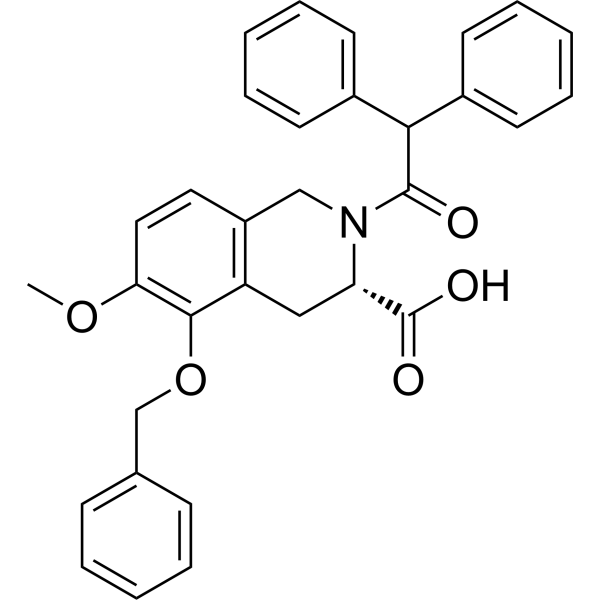 0 ImagesSynonyms: EMA401; PD-126055; (S)-EMA400Olodanrigan (EMA401) is a highly selective, orally active, peripherally restricted angiotensin II type 2 receptor (AT2R) antagonist. It is under development as a neuropathic pain therapeutic agent. Olodanrigan (EMA401) analgesic action appears to involve inhibition of augmented AngII/AT2R induced p38 and p42/p44 MAPK activation, and hence inhibition of DRG neuron hyperexcitability and sprouting of DRG neurons.
-
CGP-42112
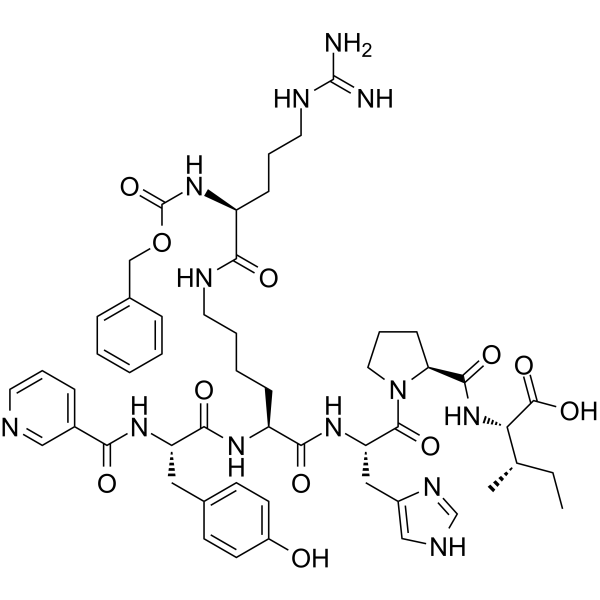 0 ImagesSynonyms: CGP42112ACGP-42112 (CGP-42112A) is a potent Angiotensin-II subtype 2 receptor(AT2 R) agonist.
-
Angiotensin III, human, mouse
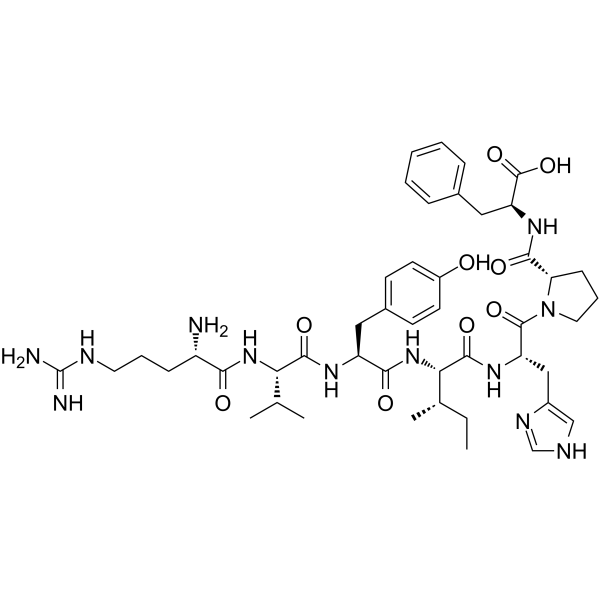 0 ImagesAngiotensin III, human, mouse is a heptapeptide, acts as an endogenous angiotensin type 2 receptor (AT2R) agonist, with IC50s of 0.648 nM and 21.1 nM for AT2R and AT1R, respectively.
-
Angiotensin II human TFA
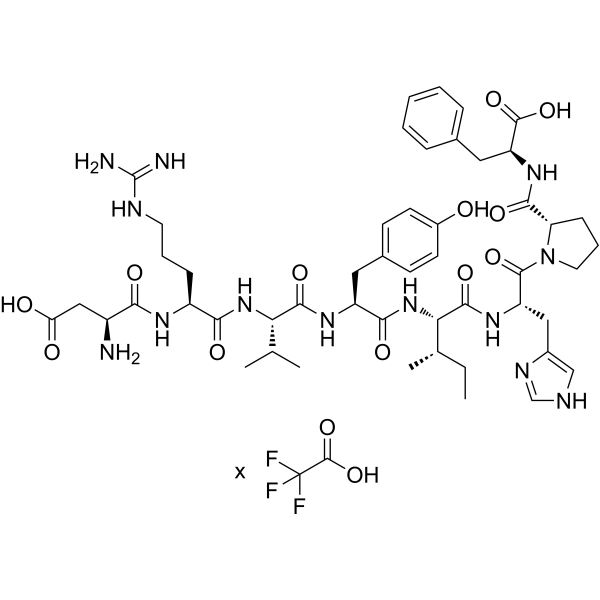 0 ImagesSynonyms: Angiotensin II TFA; Ang II TFA; DRVYIHPF TFAAngiotensin II human (Angiotensin II) TFA is a vasoconstrictor and a major bioactive peptide of the renin/angiotensin system. Angiotensin II human TFA plays a central role in regulating human blood pressure, which is mainly mediated by interactions between Angiotensin II and the G-protein-coupled receptors (GPCRs) Angiotensin II type 1 receptor (AT1R) and Angiotensin II type 2 receptor (AT2R). Angiotensin II human TFA stimulates sympathetic nervous stimulation, increases aldosterone biosynthesis and renal actions. Angiotensin II human TFA induces growth of vascular smooth muscle cells, increases collagen type I and III synthesis in fibroblasts, leading to thickening of the vascular wall and myocardium, and fibrosis. Angiotensin II human TFA also induces apoptosis. Angiotensin II human TFA induces capillary formation from endothelial cells via the LOX-1 dependent redox-sensitive pathway.
-
Novokinin
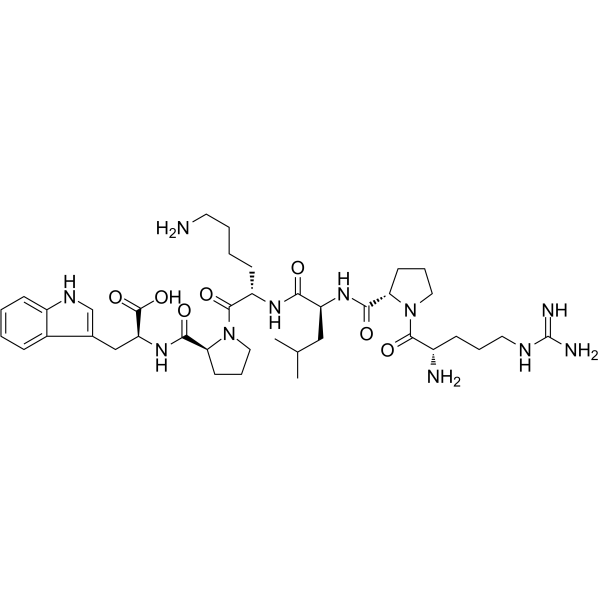 0 ImagesNovokinin is a peptide agonist of the angiotensin AT2 receptor.
-
BIBS 39
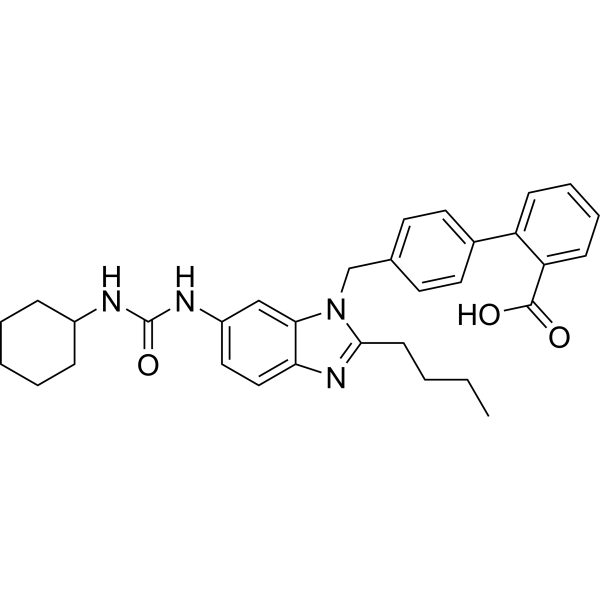 0 ImagesBIBS 39 is a non-peptide angiotensin II receptor antagonist with antihypertensive activity, with higher affinity for the AT1 receptor than for the AT2 receptor. BIBS 39 competitively blocks AT1-mediated vasoconstriction and pressor responses, and effectively inhibits the activity of the renin-angiotensin-aldosterone system. BIBS 39 reduces diastolic blood pressure and induces mild, transient reflex tachycardia, with no off-target functional activity on the norepinephrine, K+/Cl− or vasopressin pathways. BIBS 39 can be used in research related to hypertension and renal hypertension[1][2][3].
-
L-161638
 0 ImagesL-161638 is a potent, selective and orally active AT2 receptor antagonist. L-161638 can be used for the research of cardiovascular disease, such as hypertension.
-
PD 123177
 0 ImagesPD 123177 is a nonpeptide antagonist specific for angiotensin II (AII) subtype AT2 receptor in mammalian systems.
-
Candesartan methyl ester
 0 ImagesCandesartan methyl ester (compound 14) is an antagonist for angiotensin II (AII) receptor with an IC50 of 66 nM. Candesartan methyl ester exhibits blood pressure lowering activity in rats models.
-
PD 123319
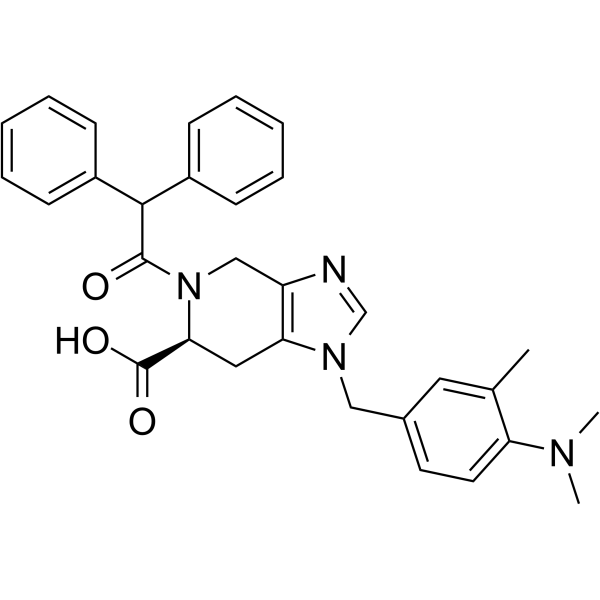 0 ImagesCat. No.: HY-10259CAS No.: 130663-39-7Synonyms: (S)-(+)-PD 123319PD 123319 (ditrifluoroacetate) is a potent, selective AT2 angiotensin II receptor antagonist with IC50 of 34 nM.
-
Olodanrigan sodium
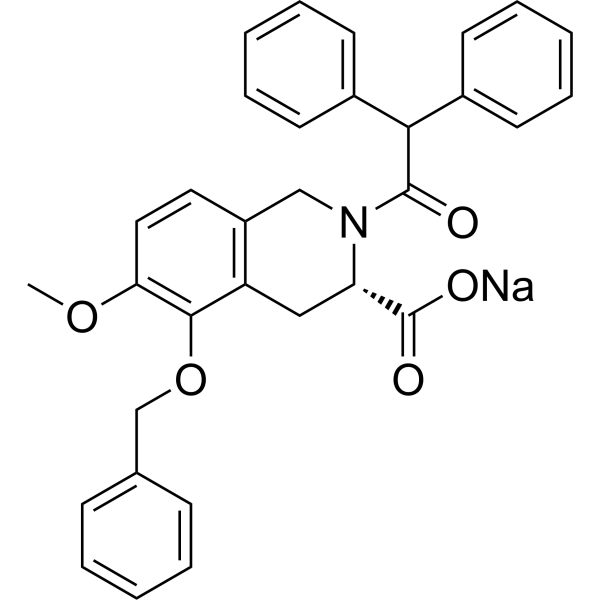 0 ImagesCat. No.: HY-13106ACAS No.: 1316755-17-5Synonyms: EMA401 sodium; PD-126055 sodiumOlodanrigan (EMA401) sodium is a highly selective, orally active, peripherally restricted angiotensin II type 2 receptor (AT2R) antagonist. Olodanrigan sodium is under development as a neuropathic pain therapeutic agent. Olodanrigan sodium analgesic action appears to involve inhibition of augmented AngII/AT2R induced p38 and p42/p44 MAPK activation, and hence inhibition of DRG neuron hyperexcitability and sprouting of DRG neurons.
-
Ripisartan
 0 ImagesCat. No.: HY-119544CAS No.: 148504-51-2Synonyms: UP-2696Ripisartan (UP-2696) is an angiotensin II receptor antagonist. Ripisartan is orally available. Ripisartan binds to angiotensin II receptors, dilates blood vessels, and lowers blood pressure.
-
AT2R antagonist 1
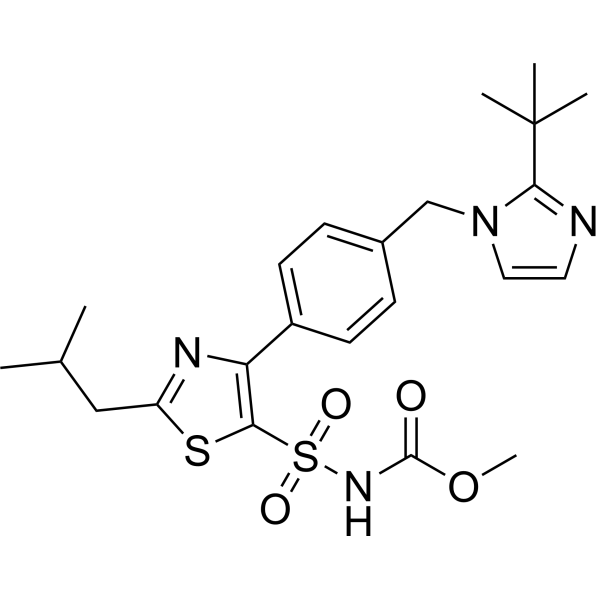 0 ImagesCat. No.: HY-146410CAS No.: 2709031-17-2AT2R antagonist 1 (compound 21) is a potent and high selective AT2R (angiotensin II AT2 receptor) ligand. AT2R antagonist 1 exhibits a fair AT2R affinity, with a Ki of 29 nM. AT2R antagonist 1 also inhibits common agent-metabolizing CYP enzymes. AT2R antagonist 1 shows high stability in human, rat and mouse liver microsomes.
- 1
- 2



